
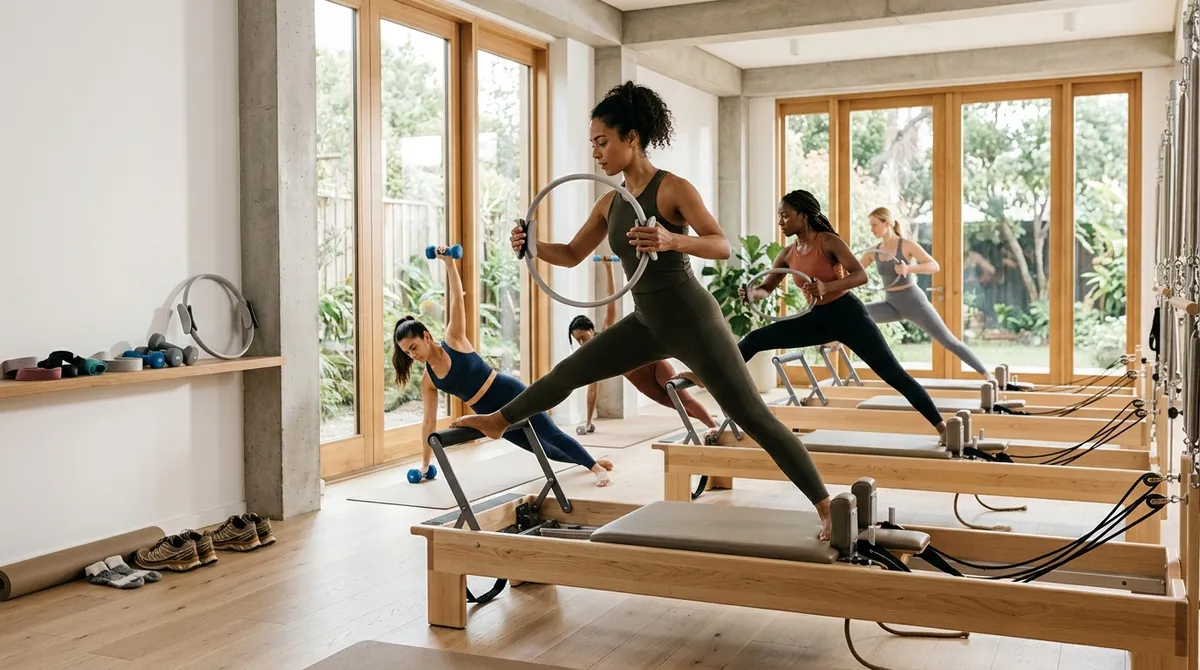
As fitness participation in the United States reaches an all-time high, one trend stands out: the rise of Pilates, which has begun to eclipse the once-dominant practice of yoga. According to the latest report from the Sports & Fitness Industry Association (SFIA), Americans are shifting their exercise routines, prioritizing strength training and embracing more dynamic activities such as trail running and padel. But what’s driving this transition, and how is Pilates redefining the fitness landscape in 2026?
The Shift in Fitness Preferences
With approximately 70% of Americans now engaging in fitness activities, the landscape is evolving. The emphasis is no longer solely on traditional activities but is moving towards those that offer a blend of strength, social connection, and personal identity. Pilates, often viewed as a gentler alternative to yoga, is striking a chord with individuals seeking both physical benefits and a sense of community.
Why Pilates is Gaining Ground
1. Enhanced Strength and Longevity
Pilates places a significant focus on core strength, flexibility, and overall physical health, which aligns perfectly with the growing preference for longevity in fitness. As individuals become more health-conscious, they gravitate towards workouts that ensure sustained vitality. Unlike yoga, which often emphasizes meditation and flexibility, Pilates offers a more vigorous workout that builds strength and can improve athletic performance.
2. Community and Social Engagement
Pilates classes foster a community environment, providing a welcoming space for individuals to connect. This social aspect is becoming increasingly important, especially as people seek fitness experiences that integrate social interaction. Group classes promote networking, friendships, and shared experiences, transforming workouts into social gatherings rather than solo endeavors.
3. Adaptability and Hybrid Practices
Pilates is flexible, allowing participants to customize their routines based on personal fitness levels and goals. With the increase in hybrid fitness approaches, many enthusiasts are incorporating Pilates into their diverse exercise regimens. Whether it’s complementing trail running or adding to circuit training, Pilates fits seamlessly into varied routines, attracting a broader demographic of fitness seekers.
4. The New Identity of Fitness
As fitness becomes intertwined with identity and lifestyle, Pilates offers more than just physical exercise. It aligns with values such as wellness, mindfulness, and balanced living. Many participants adopt Pilates not merely for fitness but as part of a broader lifestyle choice that emphasizes holistic health, making it a compelling alternative to traditional yoga practice.
Competing with Yoga
Despite yoga's deep-rooted popularity and wellness reputation, Pilates has successfully positioned itself as a strong competitor among fitness trends. With its roots in rehabilitation and mobility, Pilates appeals to a younger audience looking for effective workouts that also address physical wellness. The rise of Pilates can be seen as part of a larger cultural shift, where wellness trends are being redefined by functionality and community engagement.
What’s Next?
As we move forward in 2026, the landscape of fitness is likely to continue fragmenting, with more people embracing hybrid routines that reflect their identities and lifestyle choices. While yoga will always hold a place in the fitness community, the current momentum suggests that Pilates is primed to capitalize on the demand for strength, community, and a redefined workout experience.
In conclusion, if you haven’t yet joined the Pilates movement, now is the time to explore this dynamic discipline. The combination of physical strength, community connection, and a holistic approach to wellness positions Pilates as a powerful contender on the fitness stage of 2026.