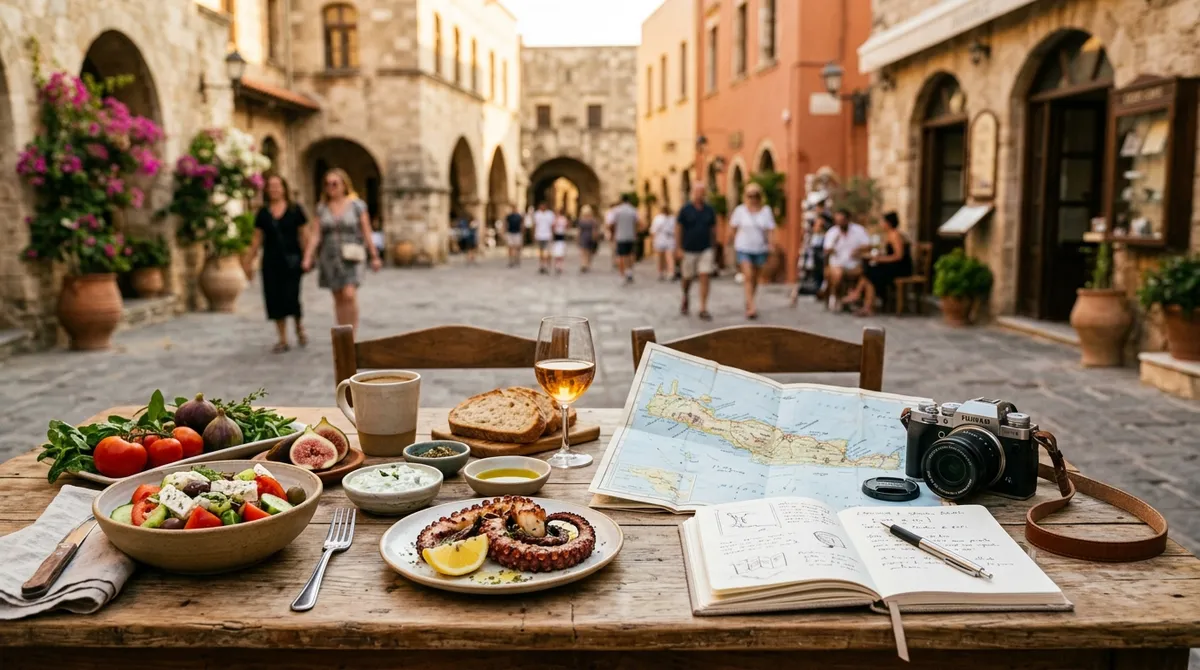
The trend of culinary tourism is on the rise, with more travelers choosing destinations based on food experiences that highlight local dining culture and destination-specific cuisines. Food has become a powerful driver of travel decisions, allowing you to connect with culture and identity in meaningful ways. If you’re ready to explore the world through your taste buds, here are practical tips on how to plan a culinary experience-focused trip.
Understanding Culinary Tourism
Culinary tourism revolves around traveling for unique food experiences, whether it's tasting traditional dishes, visiting famous restaurants, or discovering hidden gems in local dining. By prioritizing food as an integral part of your travel itinerary, you can delve deeper into the tastes and traditions that define a destination.
Choosing Your Destination
When selecting a place to visit, research destinations renowned for their culinary offerings. Regions like Tuscany in Italy, Thailand's Chiang Mai, or Mexico City are celebrated not only for their landmarks but also for their incredible food scene. Websites dedicated to culinary tourism often provide insights on where to go and the must-try dishes that embody the local cuisine.
Curating Your Food-Focused Itinerary
Prioritize Authentic Experiences
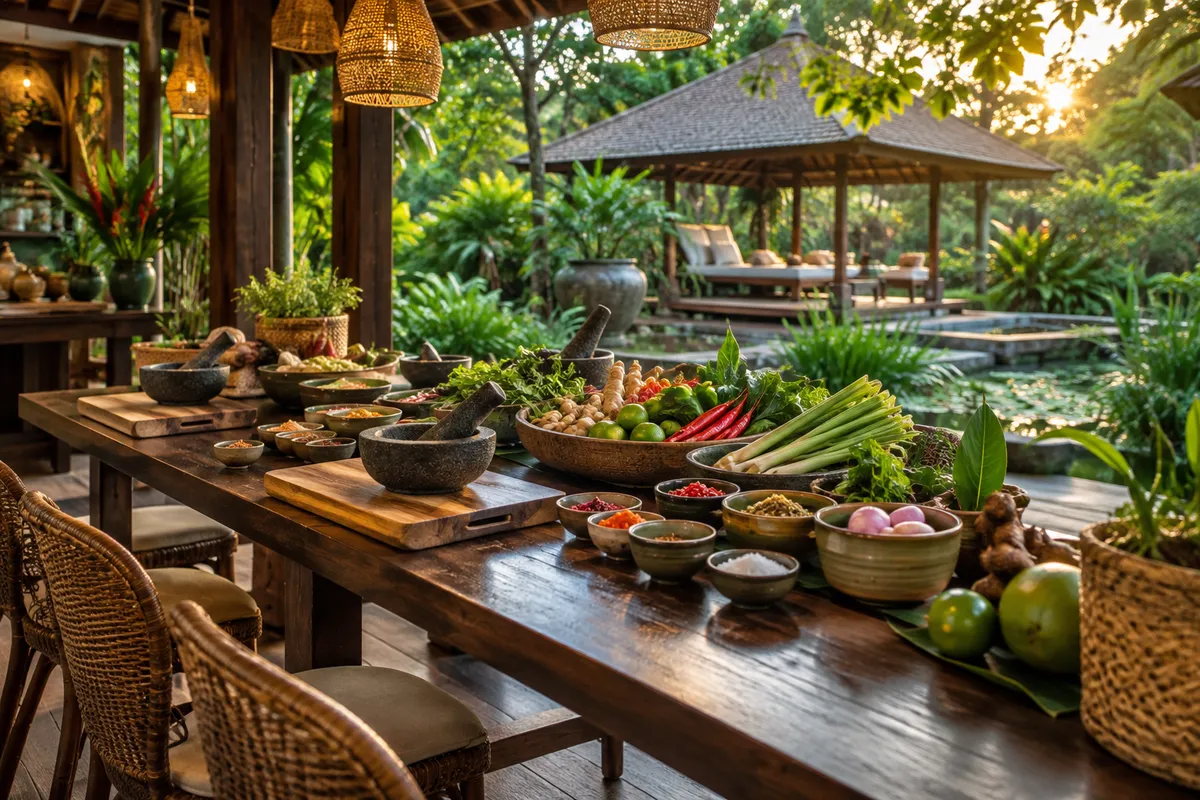
To ensure a genuine culinary journey, look for dining experiences that focus on regional ingredients and traditional techniques. Search for local markets, family-run restaurants, and food festivals that showcase the culinary heritage of the region. Consider booking a cooking class to learn how to prepare local dishes and experience firsthand the flavors that define the area.
Savor Street Food
Don’t overlook street food! Often, the best culinary experiences come from food stalls where cooks have been perfecting their craft for years. These options are usually budget-friendly while offering some of the most authentic tastes of the culture.
Engage with Locals
One way to uncover the best local dining spots is to interact with residents. Ask locals for their favorite eateries, or engage locals through food tours, which can provide insider knowledge while allowing you to taste multiple dishes. Platforms like Airbnb Experiences have great options to connect with local food enthusiasts who can guide you through the tastiest aspects of their culture.
Best Resources for Culinary Tourism Planning
To effectively plan your food-based trip, utilize the following resources:
- Food Blogs & Vlogs: Many bloggers share personal experiences along with tips for food lovers. Look for blogs written by locals or frequent travelers who have in-depth knowledge of the destination’s cuisine.
- Social Media: Use platforms like Instagram to search through hashtags related to your destination and food. Discover trending dishes and popular restaurants while also engaging with food-centric content creators.
- Travel Apps: Download apps focused on exploring culinary experiences, such as Yelp or Tripadvisor, where you can read reviews and watch recommendations from fellow foodies.
Connecting Food with Culture
Remember, food is a significant part of a culture's identity. It often tells stories of history, storytelling, and community. As you travel, take time to appreciate how the flavors and dishes reflect the area's culture and practices. Attend local culinary workshops and dine with residents to deepen your understanding of your chosen destination.
Conclusion
Culinary tourism allows you to explore the world in a unique and flavorful way. By planning a trip centered around food experiences, you’ll not only satisfy your palate but also create unforgettable memories that connect you to the local culture. Dive into the delicious adventure waiting for you and let your culinary journey begin!