
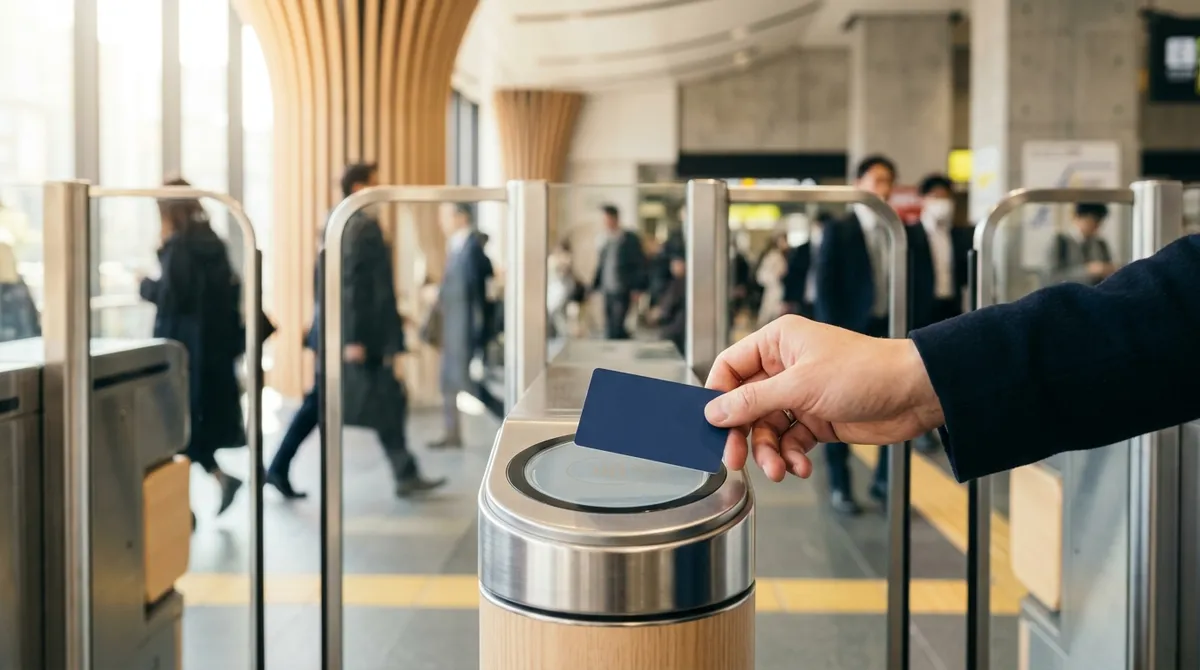
Traveling through Japan offers a seamless experience, thanks in part to the convenient IC cards, which greatly simplify transport across the country. These cards are indispensable for both locals and tourists, providing easy access to trains, buses, and even some shops and restaurants. Understanding how to use these cards effectively can enhance your travel experience in this fascinating country.
What Are Japanese IC Cards?
IC cards, short for Integrated Circuit cards, are rechargeable cards that allow contactless payment. These cards are predominantly used for public transportation, including trains, subways, and buses, across various cities in Japan. They can also be used at vending machines, convenience stores, and certain restaurants. The cards are incredibly popular due to their ease of use and wide acceptance.
Types of IC Cards Available
There are several types of IC cards in Japan, each associated with different regions. The most well-known card is the Suica card, which is primarily used in Tokyo and its surrounding areas. Another popular option is the Pasmo card, which also operates in the Tokyo region. For travelers venturing into the Kansai region, the ICOCA card is a prevalent choice, while the Sapporo area uses the SAPICA card. Despite regional differences, these cards are often interchangeable across different areas, making them extremely versatile.
How to Obtain an IC Card
Obtaining an IC card in Japan is a straightforward process. They can be purchased at ticket machines and counters at major train stations and airports. When purchasing, a small deposit is required, which is refundable when the card is returned. Additionally, these machines typically offer multiple language options, making it easier for international visitors to navigate the purchasing process.
Using and Recharging Your IC Card
Using an IC card is simple; just tap the card on the reader at the entry and exit gates of stations. The fare is automatically deducted from the card's balance. Recharging is equally convenient, with options to add funds at ticket machines and kiosks located in stations and convenience stores. It's important to note that some machines accept cash only, so having yen on hand can be helpful.
Benefits of Using IC Cards
One of the greatest advantages of IC cards is the time saved by not having to purchase individual tickets for each journey. This is particularly beneficial during peak travel times when queues can be long. Moreover, the cards can often be used for small purchases beyond transportation, adding an extra layer of convenience for travelers.
IC Cards for Tourists
For tourists, IC cards offer a hassle-free way to explore Japan. They eliminate the need to understand complex ticketing systems and fare structures, allowing visitors to focus more on enjoying their trip. Additionally, some cards offer special tourist packages that include discounted prices on attractions and other perks.
Returning Your IC Card
At the end of your trip, returning the IC card is easy. Simply head to a manned station counter to surrender the card and receive your initial deposit back. It's a straightforward process, ensuring that travelers can wrap up their journey without any hassles.
Overall, IC cards are an invaluable resource for anyone traveling in Japan. With their ease of use, wide acceptance, and additional conveniences, they are a must-have for a smooth and enjoyable travel experience.