
Travelers Refuse to Stay Home This Summer
Despite a perfect storm of challenges—war, inflation, soaring fuel prices, health outbreaks, and mounting geopolitical tensions—summer travel demand remains remarkably strong, according to recent industry reports. Rather than canceling their plans entirely, travelers are adapting by shifting their destination choices while maintaining their commitment to getting away.
Memorial Day is launching what's expected to be a record U.S. travel season, even as airfare and fuel costs continue to climb and global uncertainty reshapes booking patterns across the industry.
Where Travelers Are Heading Instead
The most notable trend is a strategic pivot in destination preferences. According to reports, travelers are gravitating toward specific regions and experiences that feel both accessible and appealing in the current climate.
Scotland and the broader U.K. are seeing increased interest, along with Asian destinations like Japan and South Korea. Within North America, Alaska is drawing more attention from travelers seeking unique experiences. European destinations like Lake Como and Austria are also capturing traveler interest, suggesting that scenic, less crowded locations are becoming more attractive.
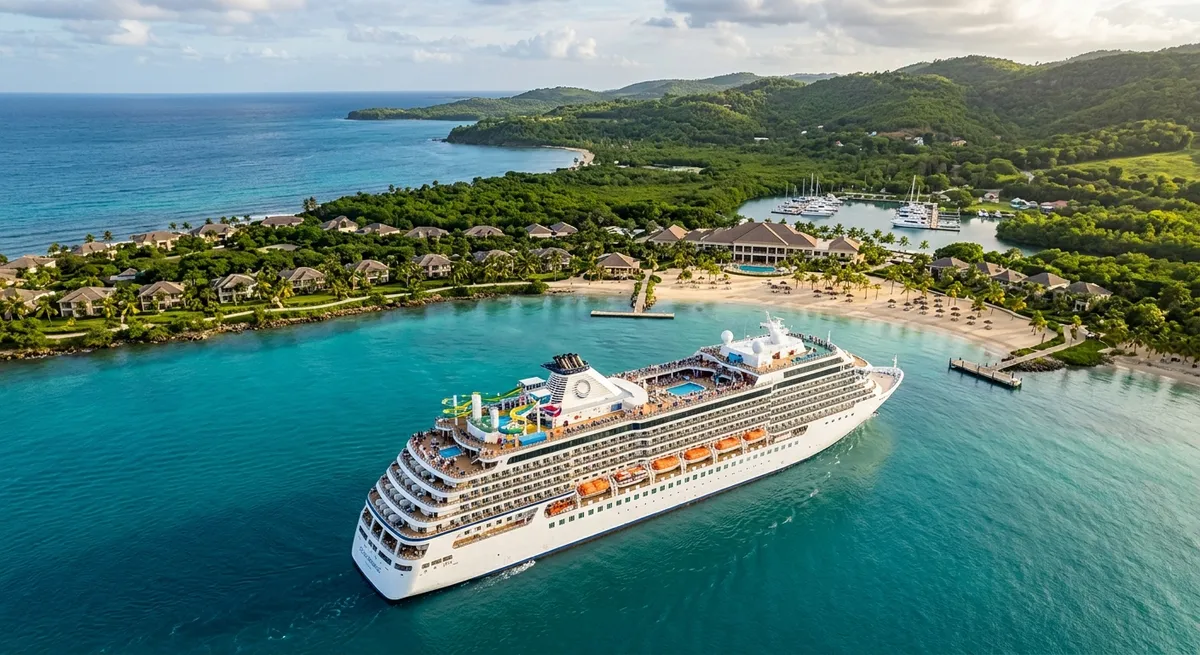
Cruise travel is experiencing particular momentum, potentially offering travelers a controlled environment while still delivering the vacation experience they're seeking.
Luxury Travel Shows Surprising Resilience
One of the most significant findings is the resilience of luxury travel demand. Despite economic pressures affecting many sectors, high-end travelers aren't pulling back on their spending plans. This segment appears largely insulated from the broader concerns affecting the travel industry, suggesting that affluent travelers view their vacations as non-negotiable experiences.
This luxury market strength is providing stability to the overall travel ecosystem, even as other segments adjust their approaches to trip planning.
Unexpected Opportunities May Emerge
The biggest surprise in current travel patterns may be the weakness in inbound travel to the United States. This softening demand could potentially create last-minute openings and opportunities, particularly around World Cup-related travel events.
For travelers willing to be flexible with their planning, this shift could translate into better availability and potentially more competitive pricing for domestic experiences that were previously difficult to book.
Europe Demand Shifts Create Cruise Opportunities
While traditional European destinations are experiencing some softening in demand, the cruise industry appears positioned to benefit from this shift. Travelers who might have chosen land-based European vacations are increasingly considering cruise options, which offer multiple destinations in a single trip while providing a more controlled travel environment.
This trend suggests that travelers are seeking ways to maximize their experiences while minimizing some of the uncertainties associated with traditional destination travel.
What This Means for Summer Travelers
The current landscape presents both challenges and opportunities for summer travelers. While costs remain elevated and global uncertainty continues to influence decisions, the strong underlying demand suggests that good experiences are still available for those who plan strategically.
Travelers who remain flexible with their destination choices and timing may find themselves with access to experiences that were previously overbooked or overpriced. The key appears to be staying informed about shifting patterns and being willing to adapt plans based on emerging opportunities.
The resilience of travel demand, even in the face of significant global challenges, demonstrates the fundamental human desire to explore and experience new places. As the summer season officially begins, travelers are proving that they'll find ways to pursue their wanderlust, even if it means adjusting their original plans.
For the travel industry, this adaptability represents both a challenge in predicting exact demand patterns and an opportunity to serve travelers who are actively seeking new experiences, just perhaps not in the destinations they originally considered.