
The Golden Age That Wasn't (Quite) Golden
As modern travelers navigate baggage fees, cramped seats, and reduced service, many find themselves looking back nostalgically at the 1980s as "the golden age of flying." According to reports, this nostalgia has been resurging as contemporary air travel frustrations mount, making the 80s seem particularly appealing by comparison.
Yet the reality of 1980s air travel was more complex than rose-colored memories might suggest. While some aspects of flying were undeniably better four decades ago, others tell a different story entirely.
What We Actually Lost
The most dramatic shifts in airline travel stem from specific changes that transformed the passenger experience. According to industry analysis, several key differences distinguish 1980s flying from today's reality:
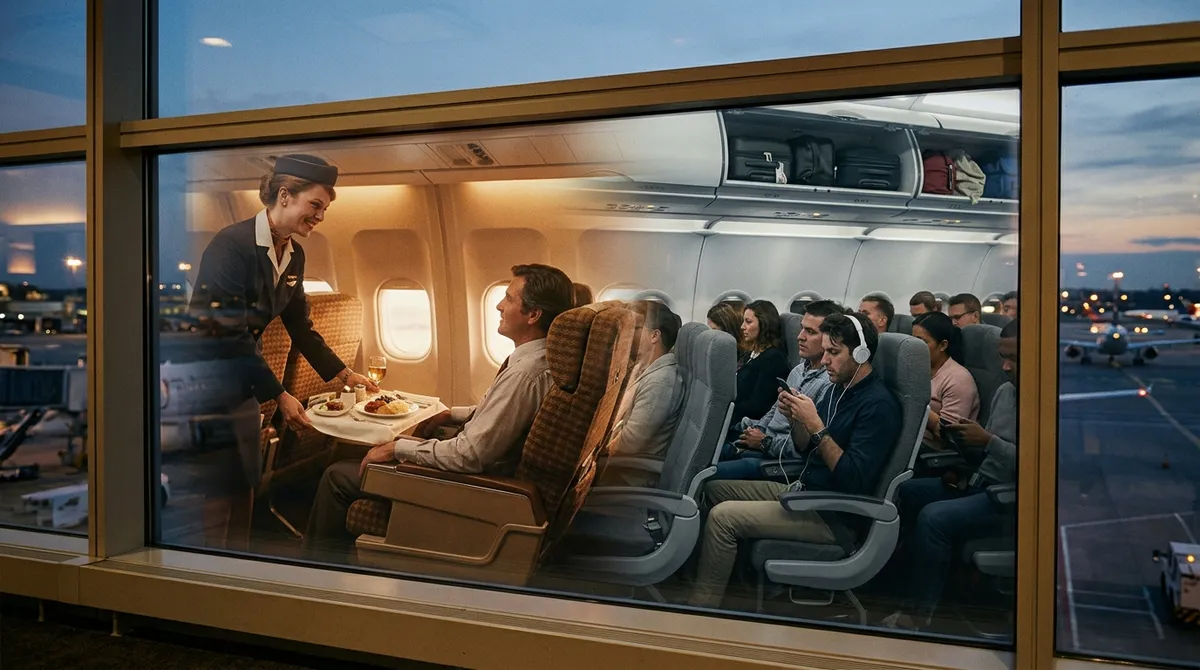
Free Meals and Enhanced Service Airlines in the 80s routinely provided complimentary meals on flights, a practice that has largely disappeared on domestic routes. This represented a fundamentally different approach to passenger service that extended beyond just food.
Seat Comfort and Legroom Cabin layouts from the era featured notably different seat configurations. Reports indicate that seat pitch—the distance between rows—was generally more generous, providing passengers with additional legroom that modern travelers can only access through premium upgrades.
Smoking Sections Perhaps most jarring to contemporary sensibilities, airlines maintained designated smoking sections on flights, a practice that seems unthinkable today but was standard operating procedure throughout much of the decade.
The Deregulation Revolution
The transformation of air travel didn't happen overnight. According to aviation historians, specific regulatory changes and the emergence of budget carriers marked pivotal moments in the industry's evolution. Deregulation fundamentally altered how airlines operated, leading to increased competition but also cost-cutting measures that affected passenger experience.
These changes weren't merely cosmetic adjustments—they represented a complete philosophical shift in how airlines approached customer service and pricing structures.
Debunking the Nostalgia Myth
While it's tempting to romanticize 1980s air travel, reports suggest that not everything about flying was superior back then. The era had its own significant downsides that contemporary nostalgia often overlooks.
Modern safety standards, technological improvements, and accessibility features represent genuine advances over 1980s aviation. Additionally, despite reduced amenities, flying has become more accessible to broader demographics due to competitive pricing structures that emerged post-deregulation.
Visual Evidence of Change
The differences between then and now become particularly stark when examining side-by-side comparisons. Cabin layouts, seat configurations, and amenity offerings show dramatic evolution over the four-decade span. These visual contrasts highlight both the losses and gains in modern aviation.
Cultural Impact and Modern Reactions
The nostalgia for 1980s flying has become culturally significant, with modern travelers expressing fascination when exposed to footage or photographs from the era. According to reports, this reaction content has proven particularly resonant, suggesting that contemporary passengers feel genuinely disconnected from the flying experience of previous generations.
This cultural moment reflects broader frustrations with modern air travel's commoditization and the perception that customer experience has been sacrificed for operational efficiency.
The Complexity of Progress
The story of airline evolution over the past 40 years resists simple narratives of decline or improvement. While certain passenger comforts have undeniably diminished, other aspects of flying have advanced considerably.
The challenge lies in separating legitimate grievances about modern air travel from idealized memories of an era that had its own significant limitations.
Looking Forward
As airlines continue evolving their service models, the 1980s comparison provides valuable context for understanding both what we've gained and lost. The nostalgia surge indicates passenger desire for enhanced service, even if returning to 80s-style flying isn't practically or economically feasible.
Understanding this history helps explain why contemporary air travel frustrations feel particularly acute—they represent the culmination of decades-long shifts that have fundamentally altered the flying experience.
The ongoing cultural conversation about airline service quality suggests that while we can't return to the 1980s, there may be lessons from that era worth reconsidering as the industry continues adapting to passenger expectations and economic realities.