
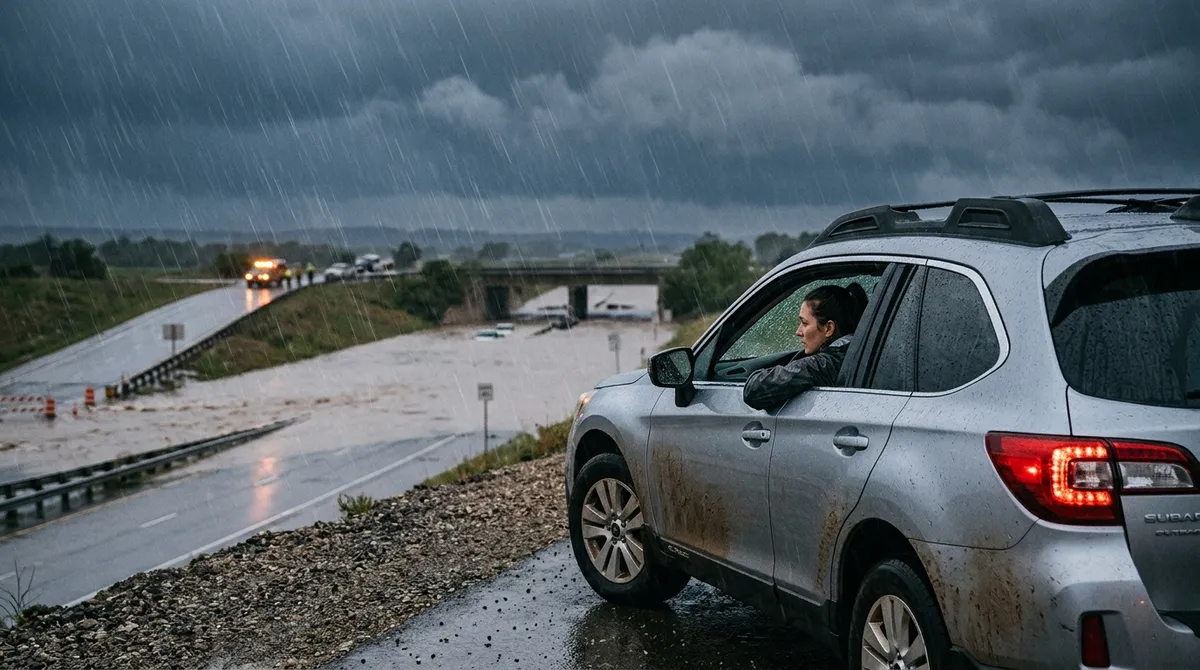
With the onslaught of inclement weather, it's crucial to stay safe and well-prepared, especially when venturing out. The Mobile Fire-Rescue Department provides invaluable guidelines for navigating through flash flood warnings, ensuring your well-being during these tumultuous times.
Flood warnings present a significant threat to drivers, as the majority of flash flood fatalities occur in vehicles. When the forecasts predict such weather conditions, it's vital to take precautions and plan your travel accordingly.
Understanding the Flash Flood Warning
A Flash Flood Warning is issued when a quick flood or dam break is imminent or occurring. During such times, it's best to stay indoors. If you must travel, being prepared and understanding the risks can enhance your safety.
Traveling Safely
The Mobile Fire-Rescue Department advises against driving through flooded areas. As little as six inches of fast-moving water can knock an individual off their feet, and two feet can float most cars, trucks, and SUVs. Be wary of water-covered roads and bridges beneath fast-flowing water. They may be washed out and could lead to perilous situations.
Emergency Preparedness
Always have an emergency kit ready in your car. It should include basic needs like food, water, warm clothing, a flashlight, batteries, and a first-aid kit. A battery-powered or hand-crank radio can also be beneficial for receiving updates from the National Weather Service.
Staying Informed
It's crucial to stay updated on the weather situation. Monitor updates from reliable sources and heed the advice of local authorities. Remember, your safety comes first. If you're advised to evacuate, do so immediately. The Mobile Fire-Rescue Department also encourages residents to stay informed about their area's flood risk and insurance coverage.
In conclusion, while flash floods pose a significant threat, being well-prepared and informed can drastically reduce the risk. Follow the guidelines provided by local authorities, stay vigilant, and prioritize your safety above all else.