The Hidden Hotel Room Hazard
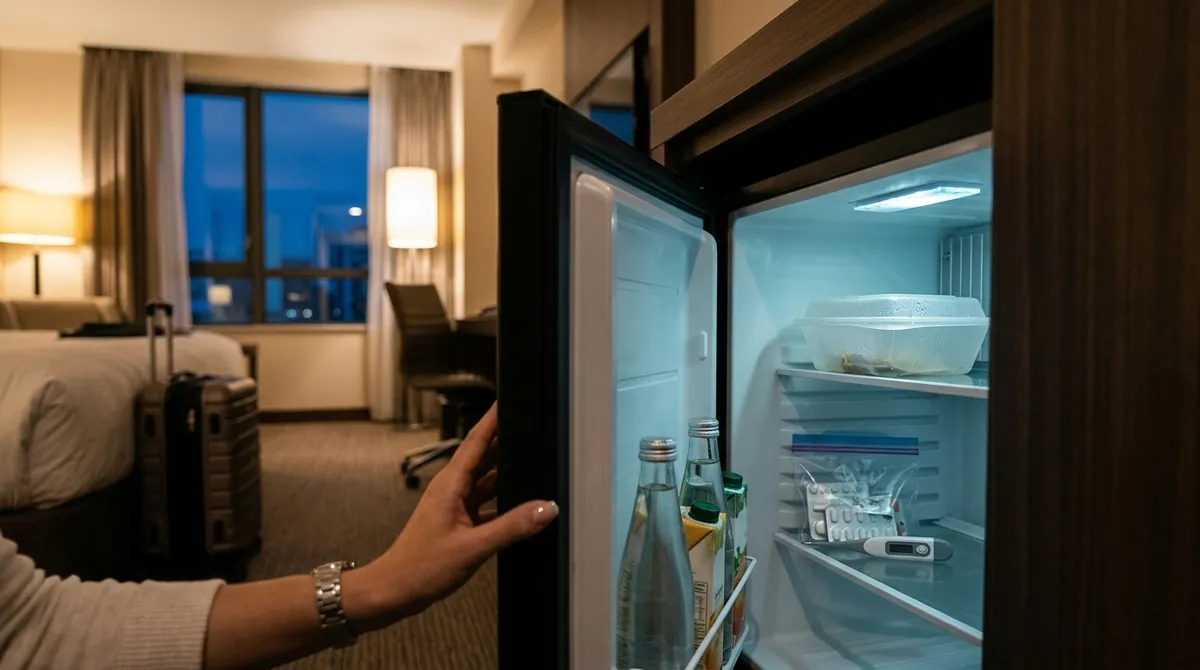
That mini fridge in your hotel room might not be keeping your food as safe as you think. According to experts, many hotel "refrigerators" are actually beverage coolers that only reach temperatures of 50–60°F—well above the food-safe threshold of 40°F required to prevent bacterial growth.
This temperature difference creates serious risks for travelers storing leftovers, medications, and other temperature-sensitive items, making it a critical safety issue as travel continues to boom post-pandemic.
Understanding the Temperature Danger Zone
The distinction between a true refrigerator and a beverage cooler isn't just technical—it's a matter of food safety. According to reports, the "temperature danger zone" for food storage begins above 40°F, where harmful bacteria can multiply rapidly.
When hotel mini fridges only cool to 50–60°F, stored items like cooked leftovers, dairy products, and meat can become breeding grounds for bacteria. This is particularly concerning for families traveling with children, health-conscious travelers, and those storing breast milk or medications that require proper refrigeration.
How to Identify What Type You're Dealing With
Experts suggest several methods to determine whether your hotel unit is a true refrigerator or just a beverage cooler. The "glass-front trick" involves checking if the unit has a transparent door—beverage coolers often feature glass fronts for display purposes.
Another reliable method is the compressor check. According to reports, true refrigerators typically have more robust compressor systems that produce different sounds and cooling patterns compared to the simpler cooling mechanisms found in beverage units.
Smart Packing Strategies for Hotel Stays
Understanding what's safe to store in a beverage cooler versus what requires true refrigeration can help travelers make informed decisions. Items like pickles, beef jerky, and crackers can safely be stored in cooler temperatures, while cooked leftovers, dairy products, and fresh meat should be avoided if your unit doesn't reach proper refrigeration temperatures.
For travelers who frequently store food in their rooms, this knowledge becomes essential for preventing foodborne illness during trips.
Pre-Booking Prevention Tips
Savvy travelers can take proactive steps before arriving at their destination. Travel experts suggest creating a pre-booking checklist that includes asking hotels specifically about their mini fridge specifications. When making reservations, inquire whether rooms feature true refrigerators or beverage coolers, and request upgrades to rooms with proper refrigeration if storing perishable items is important for your stay.
This approach is particularly valuable for extended stays, family vacations, or business trips where meal storage might be necessary.
DIY Cooling Solutions
For travelers stuck with a beverage cooler who need proper food storage, experts recommend the ice-bag swap method as a workaround. This technique involves using ice from hotel ice machines to create makeshift refrigeration that can maintain safer temperatures for perishable items.
While not a perfect solution, this method can provide temporary relief for travelers who discover their mini fridge isn't adequate for their food storage needs.
Why This Matters for Modern Travelers
As travel continues to increase post-pandemic, more people are opting to store food, breast milk, and medications in hotel rooms rather than relying solely on room service or restaurant meals. This trend, combined with longer average stays and the rise of extended-stay accommodations, makes understanding hotel mini fridge capabilities more important than ever.
Families traveling with young children, business travelers on extended trips, and health-conscious visitors who prefer to control their meal options are particularly at risk if they're unaware of their room's actual cooling capabilities.
The Bottom Line for Hotel Guests
Before your next hotel stay, take time to understand what type of cooling unit your room offers. A few simple questions during booking or a quick inspection upon arrival could prevent foodborne illness and ensure your medications and perishables stay safe throughout your trip.
Whether you're planning a weekend getaway or an extended business trip, being informed about hotel mini fridge limitations is becoming an essential part of travel preparation in today's landscape.